
Choosing the right fabric can make a major difference in how comfortable, attractive, and practical a dress feels. The best material depends on the season, occasion, child's age, and how much movement the outfit needs to allow. When shopping for girl dresses, parents often focus on color and design first, but fabric deserves just as much attention. 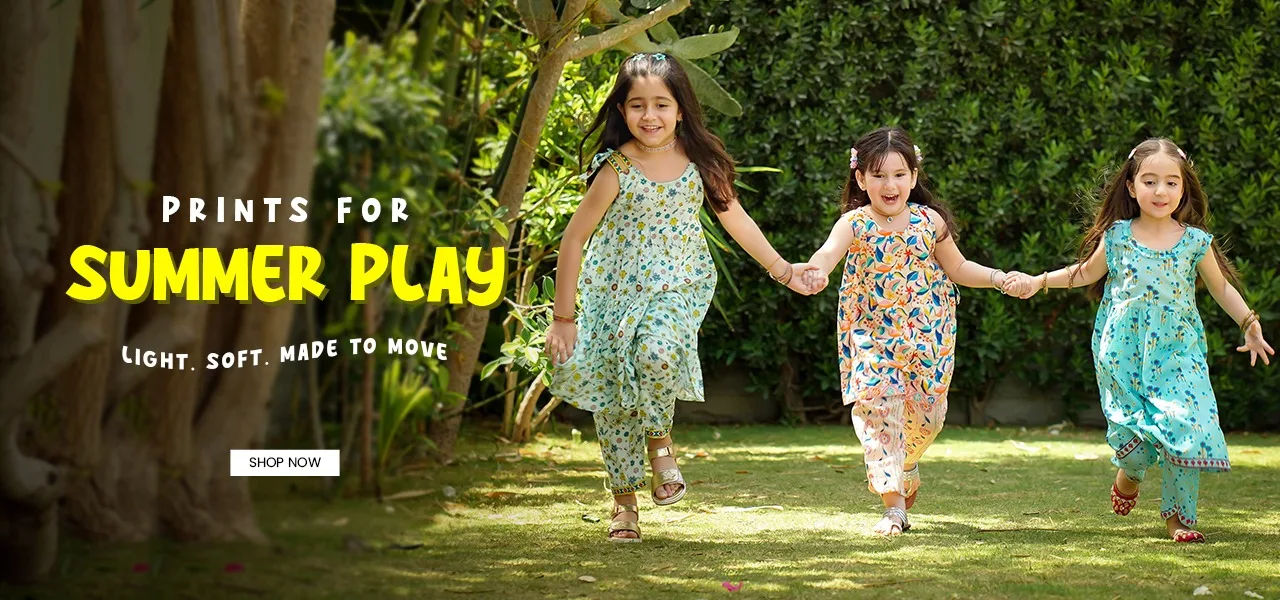 For everyday wear, soft cotton is difficult to beat because it is breathable, comfortable, and relatively easy to maintain.
For parties and formal occasions, fabrics such as silk, chiffon, velvet, organza, and satin can create a more polished appearance. The right choice is not simply the fabric that looks beautiful on a hanger. It should also suit the weather, feel pleasant against the skin, and work with the child's daily activities.
What Fabric Is Best for Girl Dresses?
There is no single fabric that is perfect for every dress. Cotton may be the best choice for a hot summer afternoon, while velvet may be more appropriate for a winter celebration. Similarly, a lightweight fabric can be ideal for a casual outfit but may not provide enough structure for a formal party dress.
Parents should therefore think about the purpose of the dress before selecting the material. A dress for school, a family gathering, a wedding, or a birthday party may require completely different fabric characteristics.
Cotton: The Best Everyday Choice
Cotton is one of the most practical fabrics for children's clothing. It is soft, breathable, and comfortable for extended wear. Since children often spend hours running, sitting, playing, and moving around, breathable clothing can help them stay comfortable.
Cotton also absorbs moisture, making it particularly useful in warm weather. Lightweight cotton dresses can allow air to circulate around the body instead of trapping excessive heat.
Another advantage is versatility. Cotton can be printed, dyed, embroidered, or blended with other fibers. This makes it suitable for everything from simple play dresses to attractive outfits for family occasions.
Parents should still check the weight and finish of cotton. Thick cotton may feel too warm in summer, while very thin cotton may require an additional lining.
Linen: Excellent for Hot Weather
Linen is another strong choice for summer clothing. It is naturally breathable and allows air to move easily through the fabric.
The slightly textured appearance of linen gives dresses a relaxed and sophisticated look. It works particularly well for daytime gatherings, vacations, outdoor celebrations, and casual occasions.
One thing to remember is that linen wrinkles more easily than many synthetic fabrics. That is not necessarily a problem, but it means a linen dress may need ironing or steaming before an event.
For children who are constantly moving, linen can be a practical option because comfort matters more than maintaining a perfectly smooth appearance throughout the day.
Lawn: A Popular Warm-Weather Option
Lawn fabric is especially popular for warm climates because it is lightweight and comfortable. It can be made from cotton or cotton-rich materials and is commonly used for colorful traditional and contemporary outfits.
Its lightweight structure makes it suitable for hot days when heavier fabrics can become uncomfortable. Lawn also works well with printed patterns, embroidery, and delicate detailing.
For everyday summer girl dresses, lawn can provide a good combination of softness, breathability, and visual appeal.
However, extremely lightweight lawn may need lining, especially when used in lighter colors. Checking the fabric under normal lighting before buying can help prevent surprises related to transparency.
Fabrics for Formal and Party Dresses
A special occasion allows more freedom when selecting fabric. Comfort remains important, but parents may also want a material that provides structure, shine, texture, or movement.
Silk for an Elegant Appearance
Silk is known for its smooth texture and luxurious appearance. It drapes beautifully and can make a simple dress look sophisticated without requiring excessive decoration.
Natural silk can also feel comfortable when the weather is moderate. However, it is usually more delicate than cotton and may require careful cleaning.
For weddings, formal dinners, cultural celebrations, and other special events, silk can be an attractive option. Parents should make sure that decorative elements such as beads, sequins, or embroidery are securely attached before allowing younger children to wear the outfit.
Silk-blend fabrics can offer a similar appearance while sometimes being easier to maintain and less expensive.
Satin for Shine and Structure
Satin is frequently used for party clothing because of its smooth, glossy surface. It reflects light and creates a dressy appearance, which makes it popular for birthdays, weddings, performances, and formal celebrations.
Satin can create beautiful silhouettes because it has a smooth drape. However, not every satin fabric feels the same. Some varieties can be slippery or less breathable, particularly when made entirely from synthetic fibers.
When selecting satin girl dresses, feel the inside of the garment as well as the outside. A beautiful outer surface does not compensate for a lining that feels scratchy or uncomfortable.
Chiffon for a Light, Flowing Look
Chiffon is lightweight and has a soft, flowing appearance. It is often used for skirts, sleeves, overlays, and decorative layers rather than as a single unlined fabric.
Because chiffon is delicate and usually sheer, it needs an appropriate lining. The lining is particularly important for children's clothing because it can make the dress more comfortable and provide proper coverage.
Chiffon is especially attractive for formal events where a flowing skirt or layered design is desired. It can add movement without making the entire outfit feel heavy.
Organza for Volume
Organza is a crisp, lightweight fabric that can give a dress considerable volume. It is commonly used in skirts, sleeves, bows, overlays, and decorative details.
It can create a dramatic party look, particularly when used over a softer lining. However, some organza fabrics can feel slightly stiff or rough against sensitive skin.
For this reason, organza is often best used as an outer layer rather than being placed directly against the body.
Best Fabrics for Winter Dresses
Cold weather requires a different approach. The material should provide warmth without making the child feel restricted.
Velvet for Winter Occasions
Velvet is a classic winter fabric with a soft surface and substantial weight. It provides warmth and has a rich appearance that suits festive events.
Velvet works particularly well for winter weddings, holiday gatherings, evening parties, and formal celebrations.
Because it is heavier than cotton or lawn, it may not be comfortable for active children indoors if the room is already warm. Layering should therefore be considered carefully.
Wool Blends for Warmth
Wool and wool-blend fabrics can provide excellent insulation in cold weather. However, wool can sometimes feel irritating against sensitive skin.
A soft lining can solve much of this problem. Parents should also consider the thickness of the material. A very heavy dress may look suitable for winter but become inconvenient if the child needs to move frequently.
Wool blends can be useful when warmth is the primary requirement, especially when the dress is intended for outdoor use.
Knitted Fabrics for Comfortable Winter Wear
Knitted materials can provide warmth while allowing movement. They are particularly useful for casual winter dresses.
A knitted dress can be paired with tights, leggings, or a warm cardigan depending on the weather. Stretch in the fabric can also make dressing easier and allow children to move naturally.
For everyday winter girl dresses, a soft knit may be more practical than a heavily decorated formal fabric.
What Fabric Is Best for Sensitive Skin?
Fabric selection becomes even more important when a child has easily irritated skin. Softness, breathability, and the construction of the garment can all affect comfort.
Look for Soft Inner Surfaces
A fabric may look beautiful on the outside but feel uncomfortable on the inside. Always check seams, labels, embroidery, and lining.
Decorative stitching can sometimes rub against the skin. Rough sequins or poorly finished seams can become especially annoying after several hours.
Cotton is often a practical starting point because of its soft and breathable nature. However, individual comfort varies, so the child's reaction to the material should always be considered.
Avoid Unnecessary Scratchy Details
Some formal dresses contain extensive decoration. Sequins, beads, stiff netting, metallic thread, and rough lace can create discomfort if they directly touch the skin.
A well-designed lining can prevent many of these problems. If the garment does not have one, consider whether it can comfortably be worn with a soft undershirt or slip.
Choosing Fabric According to the Season
Weather should strongly influence fabric selection.
For summer, lightweight cotton, lawn, linen, and other breathable materials are generally more comfortable. Loose designs can also help with airflow.
For spring and mild autumn weather, cotton blends, lightweight knits, and medium-weight fabrics can provide flexibility.
Winter calls for warmer materials such as velvet, wool blends, heavier knits, and layered fabrics.
The same fabric can also behave differently depending on construction. A sleeveless cotton dress and a fully lined cotton dress may feel very different even though they use the same basic material.
Choosing Fabric for Different Occasions
The occasion should influence both appearance and practicality.
For school or everyday activities, cotton and comfortable blends are usually sensible choices. The dress should allow walking, playing, sitting, and other normal movements.
For birthday parties, parents can choose cotton blends, satin, chiffon, or other decorative materials depending on the season.
For weddings, silk, velvet, chiffon, organza, and satin can create a more formal appearance.
For cultural and festive events, breathable traditional fabrics can provide both comfort and visual richness. Embroidery, prints, borders, and embellishments can then add character without requiring an excessively complicated construction.
The best girl dresses are not necessarily the most heavily decorated. A well-fitting dress made from appropriate fabric can look more polished than an uncomfortable outfit covered in unnecessary details.
Why Lining Matters
Lining is often overlooked when buying children's clothing, but it can significantly affect comfort.
A lining can make a lightweight outer fabric less transparent. It can also prevent rough decorations from rubbing directly against the skin.
For chiffon and organza, lining is particularly important because these materials are naturally sheer. Satin dresses may also benefit from a comfortable inner layer depending on the fabric's construction.
Parents should check whether the lining is breathable and soft. A poorly selected lining can make an otherwise attractive dress uncomfortable.
How to Check Fabric Quality Before Buying
Touch the fabric first. It should feel appropriate for the intended use and should not have an unpleasant chemical smell.
Look closely at the stitching. Loose threads, uneven seams, or poorly attached decorations can indicate construction problems.
Check the fabric's thickness. Hold lighter-colored material up to a light source if transparency is a concern.
If possible, check the care instructions before purchasing. A dress that requires professional cleaning after every use may not be practical for a child who frequently spills food or plays outdoors.
It is also worth checking whether the fabric stretches. Some dresses need flexibility around the shoulders, waist, or chest to allow comfortable movement.
Natural vs Synthetic Fabrics
Natural and synthetic fabrics both have advantages.
Natural fabrics such as cotton, linen, and silk can offer desirable breathability, softness, and texture. However, their care requirements vary considerably.
Synthetic fabrics such as polyester can be durable, affordable, wrinkle-resistant, and easy to maintain. They are widely used in children's formal clothing.
The label alone does not determine whether a dress will be comfortable. Fabric weight, weave, lining, fit, finishing, and weather all matter.
A polyester chiffon overlay may work perfectly for a party dress, while a heavy synthetic fabric might feel uncomfortable during a hot afternoon.
Common Fabric Mistakes Parents Should Avoid
One common mistake is choosing appearance over comfort. A dress may look beautiful in photographs but become unpleasant after an hour of wear.
Another mistake is ignoring the weather. Heavy velvet is rarely a sensible choice for a very hot outdoor event.
Buying a delicate fabric for a child who will be running and playing can also create unnecessary maintenance problems.
Parents should also avoid assuming that expensive fabric automatically means better quality. Price can reflect branding, decoration, or design rather than practical performance.
Finally, do not overlook fit. Even excellent fabric cannot make an outfit comfortable if the sleeves are too tight, the waist is restrictive, or the length interferes with movement.
How to Balance Comfort, Appearance, and Durability
The ideal fabric depends on what matters most for the specific dress.
For everyday use, durability and easy care may take priority. Cotton and practical blends are strong candidates.
For summer parties, breathability and lightness become more important.
For formal winter occasions, warmth and appearance may matter more, making velvet or suitable wool blends useful.
For highly formal events, satin, silk, chiffon, or organza can provide the desired visual effect. These materials may require more careful handling, but that can be reasonable when the dress is worn occasionally.
A useful approach is to consider the entire garment rather than the fabric name alone. A breathable fabric with poor construction can still be uncomfortable, while a carefully designed dress using a less expensive material can work extremely well.
Caring for Different Dress Fabrics
Proper care helps children's clothing remain attractive for longer.
Cotton garments are often relatively easy to wash, although embroidered or embellished pieces may require gentler treatment.
Linen should usually be handled according to its care label and may need ironing because wrinkles are part of its natural character.
Silk and velvet can require more careful cleaning. Never assume that a fabric is machine washable simply because another dress made from a similar-looking material is.
Satin and chiffon also benefit from careful handling, particularly when decorations are attached.
Always read the manufacturer's care instructions before washing. Incorrect washing temperatures, harsh detergents, or aggressive drying can change the texture and shape of fabric.
Making the Final Fabric Choice
When deciding among different girl dresses, start with the child's comfort. Ask where the dress will be worn, how long it will be worn, what the weather will be like, and how active the child is likely to be.
Then consider appearance and maintenance.
For hot weather, breathable cotton, lawn, and linen are practical choices. For winter, velvet, wool blends, and soft knits can provide warmth. For formal celebrations, satin, silk, chiffon, and organza offer more decorative possibilities.
The best choice is ultimately the material that suits the complete situation rather than the fabric that sounds most luxurious.
Conclusion
There is no universal answer to which fabric is best for girl dresses because different situations call for different materials. Cotton remains a dependable option for everyday clothing because it is breathable, comfortable, and versatile. Lawn and linen are particularly useful in warm weather, while soft knitted fabrics and warmer blends can make winter clothing more comfortable.
For formal events, silk, satin, chiffon, organza, and velvet can create distinctive looks. Their suitability depends on the season, the child's comfort, the quality of the lining, and how frequently the garment will be used.
Fabric quality should always be considered alongside fit and construction. A dress should allow a child to move naturally, sit comfortably, and enjoy the occasion without constantly adjusting the outfit. Details such as rough seams, scratchy embellishments, excessive stiffness, and poor lining can undermine even an attractive design.
Parents should also think about maintenance. A delicate formal fabric may be perfectly reasonable for a wedding dress that is worn a few times a year, while an everyday outfit should ideally withstand regular washing and active use.
In the end, choosing fabric is about finding the right balance between comfort, weather suitability, durability, appearance, and care requirements. When those factors are considered together, it becomes much easier to select dresses that look beautiful while allowing children to feel comfortable and confident throughout the day.